A comprehensive guide to planning, designing, and constructing luxury, sustainable gardens on Mallorca's unique terrain.
For international owners of private estates, villas, and holiday fincas in Mallorca, the outdoor space is the grandest room of the property, not merely an addition to the house. Designing a garden in the Balearic Islands requires a delicate balance between high-end architectural aesthetics, local craftsmanship, and the botanical constraints of the dry Mediterranean climate.
This guide outlines the essential steps and technical considerations for planning and executing a premium landscape design project that matures gracefully and enhances the long-term value of your property.
1. Site Analysis: Respecting the Microclimates
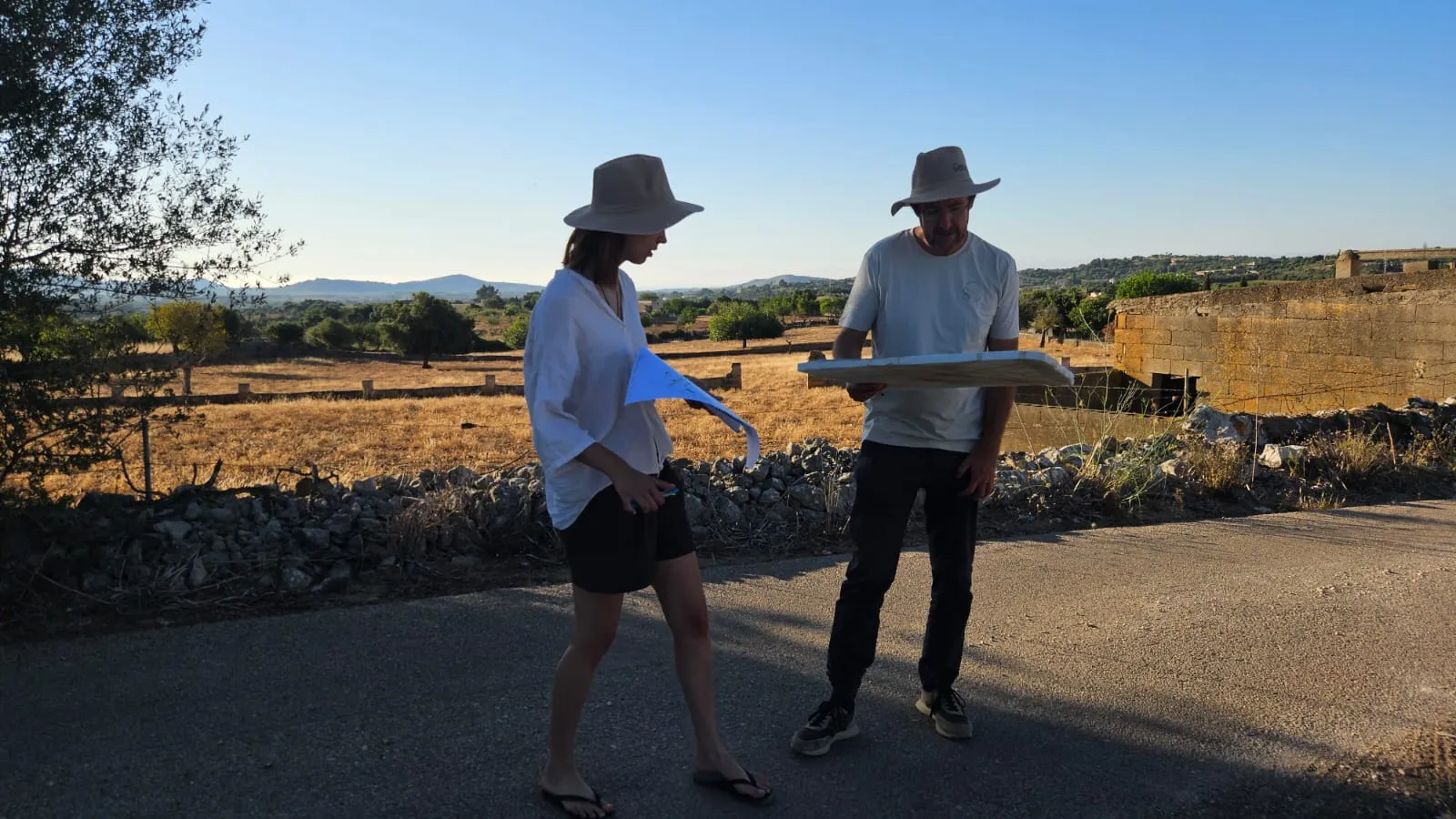
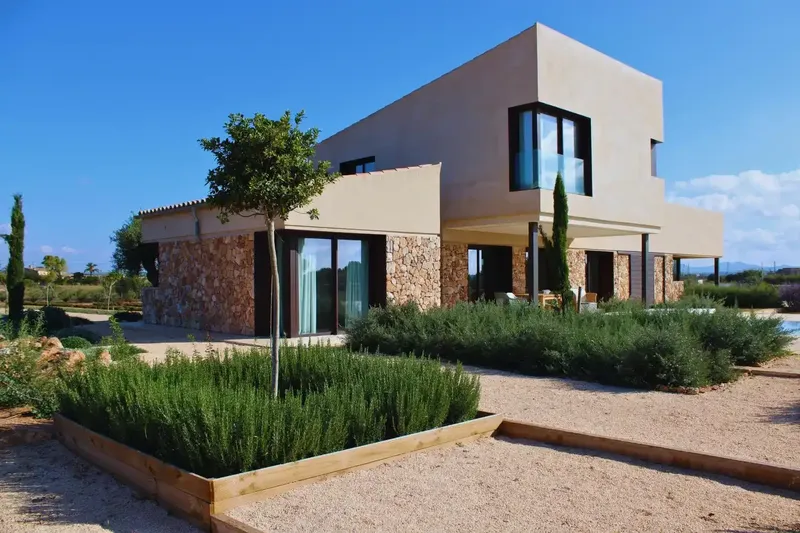
Mallorca’s topography is incredibly diverse. A property nestled in the hills of Andratx face different conditions compared to an agricultural estate in Campos or a seaside villa in Alcúdia. A professional landscape design must begin with a rigorous analysis of the microclimate:
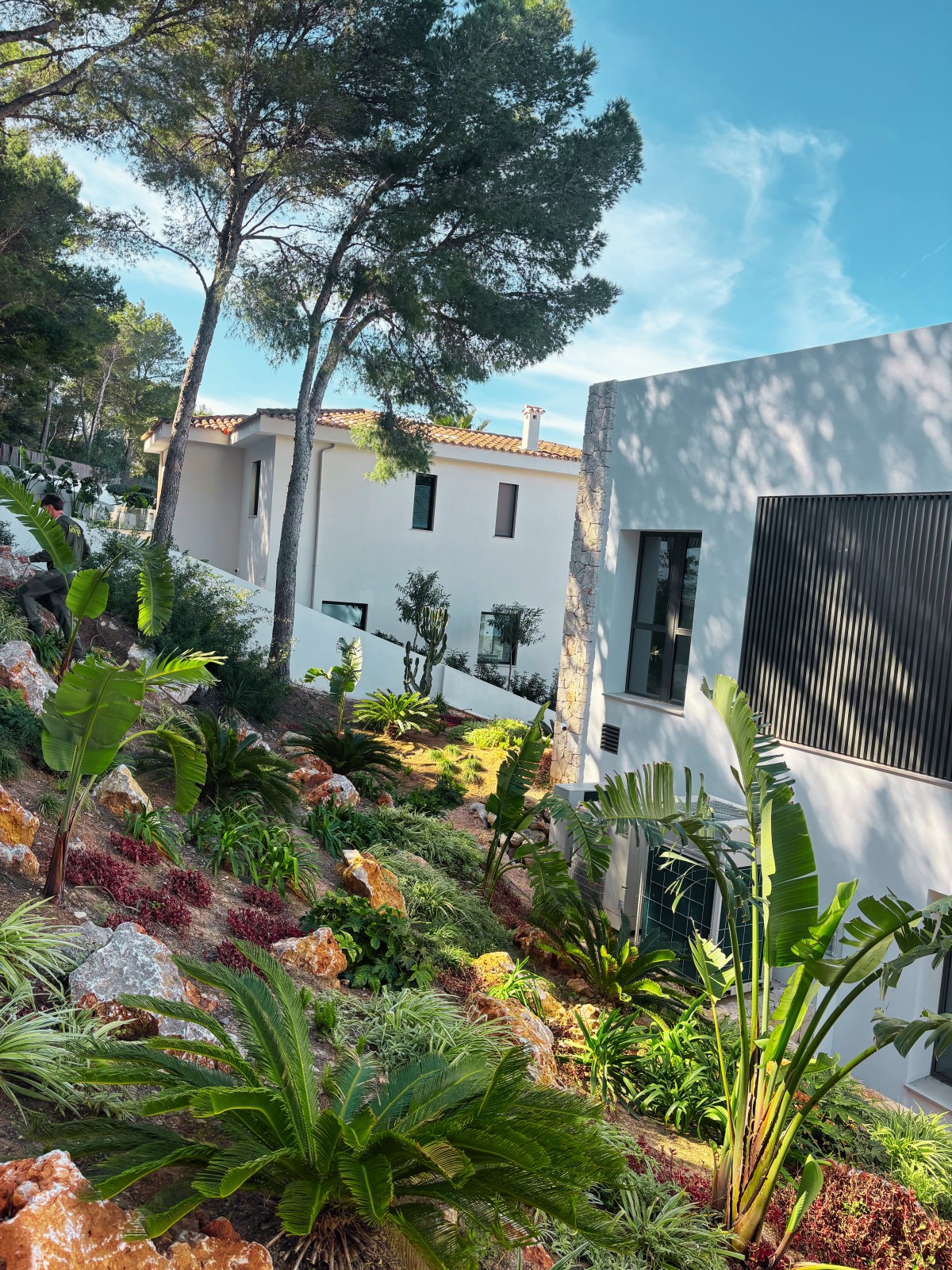
- Wind and Salinity: Coastal properties require salt-tolerant species like Agave attenuata, Chamaerops humilis (Mallorca’s native fan palm), and Pistacia lentiscus to withstand maritime winds.
- Sun Exposure and Shade: Understanding the sun’s path is vital for locating outdoor dining spaces, pergolas, and structural planting blocks that shield key residential areas from intense afternoon heat.
- Geological Structure: Soil testing determines drainage parameters. The clay-heavy soils of central Mallorca retain moisture longer but compact easily, whereas the stony calcareous slopes of Calvià drain instantly and require careful organic conditioning.
2. Hardscaping and Local Craftsmanship
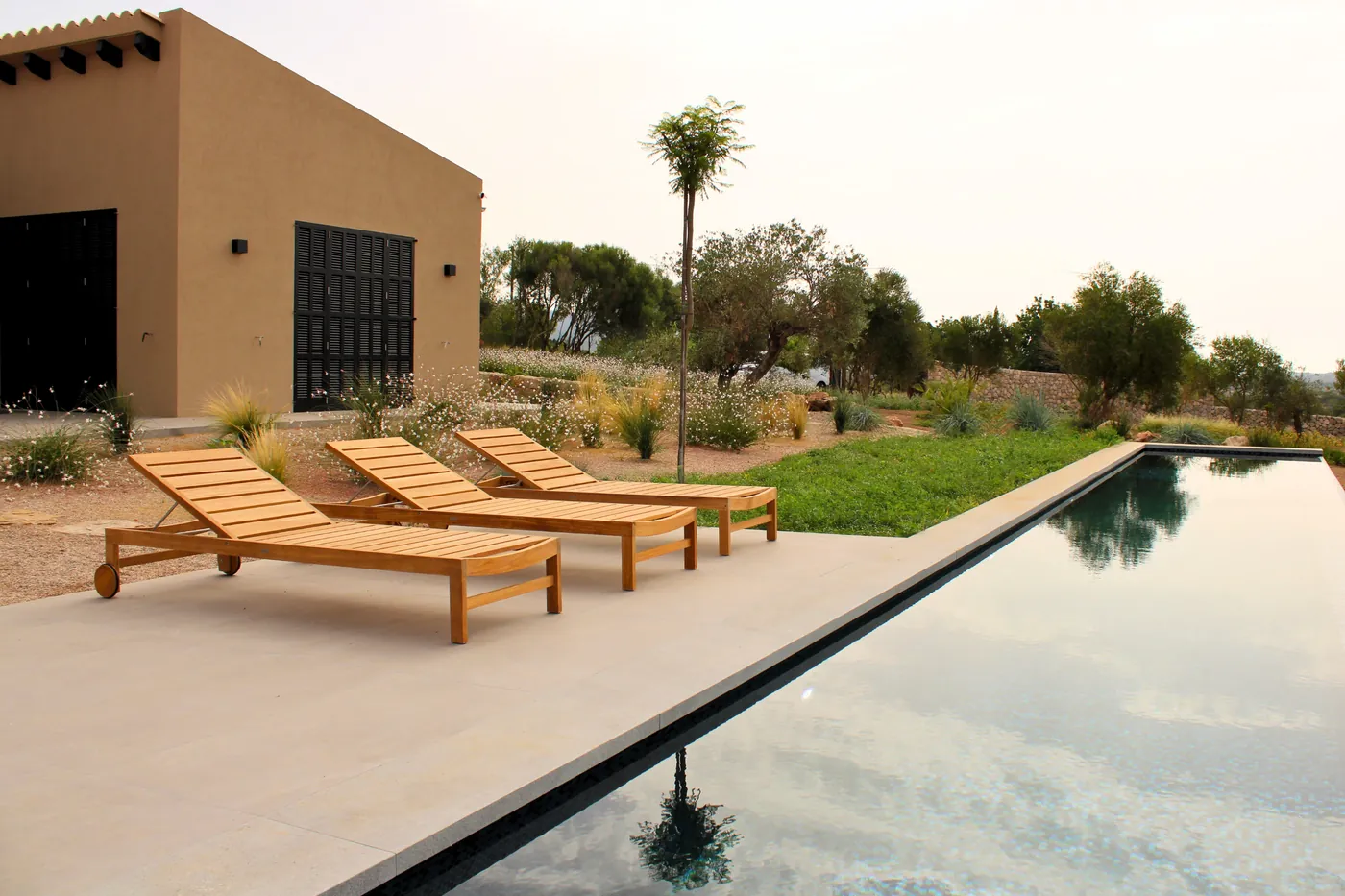
A high-end garden must respect the architectural vernacular of Mallorca. This is achieved by integrating natural materials and utilizing traditional construction techniques:
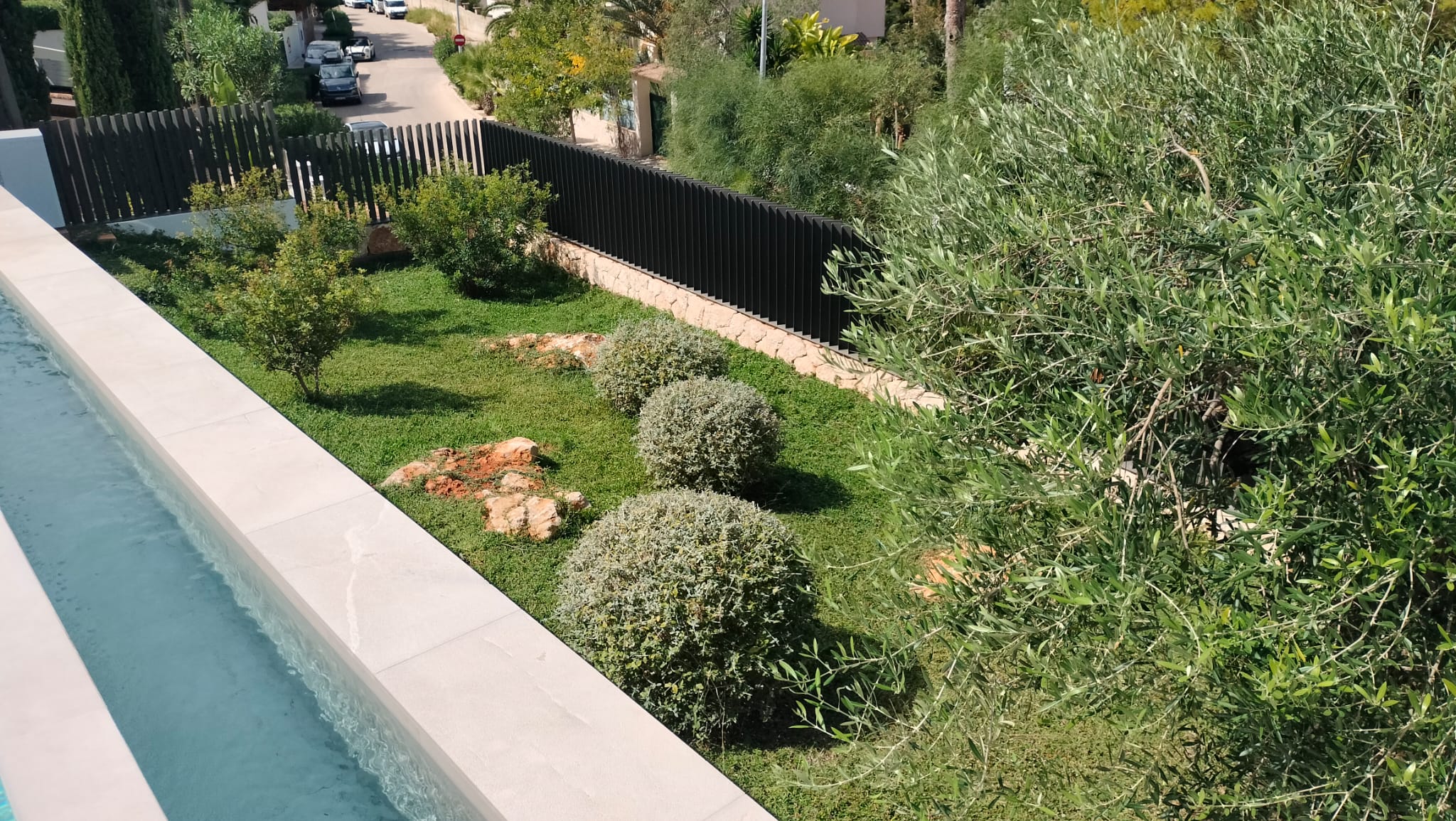
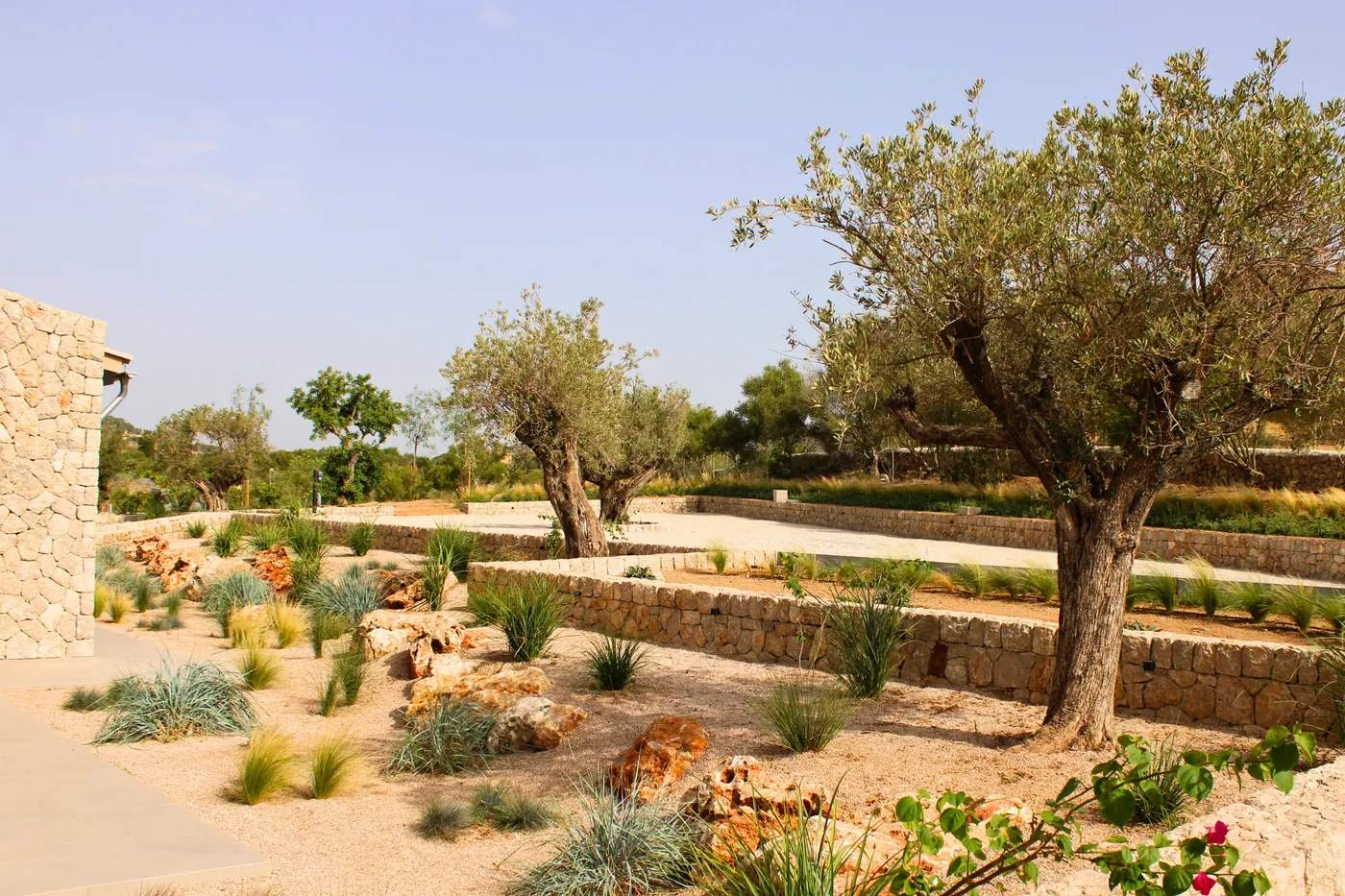
- Pedra en Sec (Dry-Stone Walls): This UNESCO-recognized local craft is the backbone of Mallorcan terracing. Constructed without mortar, dry-stone walls provide organic texture, prevent soil erosion on slopes, and offer thermal mass that benefits the surrounding plantings.
- Local Limestone and Gravel: Utilizing native limestone and gravel stabilizers creates clean, elegant pathways that integrate visually with the terrain, facilitating circulation and reducing the heat island effect common with poured concrete.
3. Water Wisely: Engineering Sustainable Systems
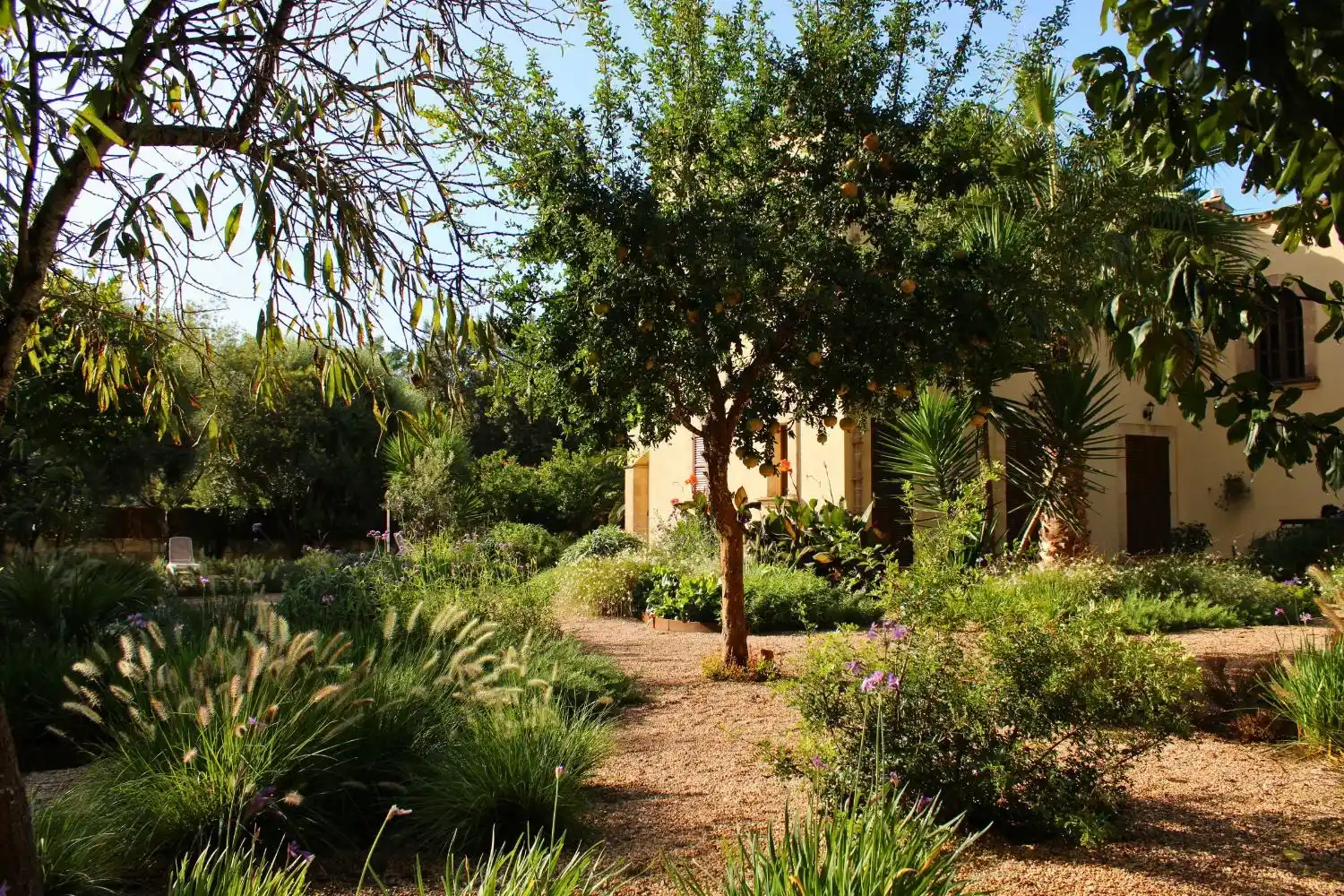
Given the scarcity of water on the island, a sustainable landscape design is no longer optional—it is a technical necessity. Modern high-end gardens utilize engineering to optimize water resource management:
- Zoned Drip Irrigation: Splitting the irrigation network into distinct zones based on the hydric needs of the plants prevents over-watering and minimizes evaporation.
- Rainwater and Graywater Reuse: Integrating sub-surface cisterns to capture winter rainfall and recycling filtered domestic graywater provides an independent, ecological source of irrigation during dry summer months.
- Xeriscape Design: Utilizing volcanic gravel layers and river stones to cover the soil helps preserve moisture, dramatically reducing the necessity for supplemental irrigation.
4. Generational Expertise and Biological Success
The transition from a conceptual drawing to a thriving, mature garden depends entirely on botanical experience. Pedro Campaner, head of S’Estepa Design, brings 30 years of agricultural and horticultural expertise to the team. This generational knowledge ensures that plants are biologically suited to the specific terrain and soil chemistry of Mallorca, not just selected for their visual form.
By choosing species that are native to the Balearic Islands and adapting traditional techniques to contemporary architecture, S’Estepa Design creates gardens that are resilient, sustainable, and visually exceptional.
-card.webp)